

How to Choose the Best Carbide Burrs for Your Needs
Carbide burrs are essential tools in various industries, from metalworking to woodworking, and choosing the right one can significantly impact the efficiency and quality of your work. With a wide array of options available, selecting the best carbide burr for your specific application requires careful consideration. Here’s a comprehensive guide to help you navigate through the selection process:
Understanding Carbide Burrs
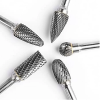
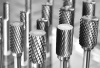
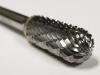
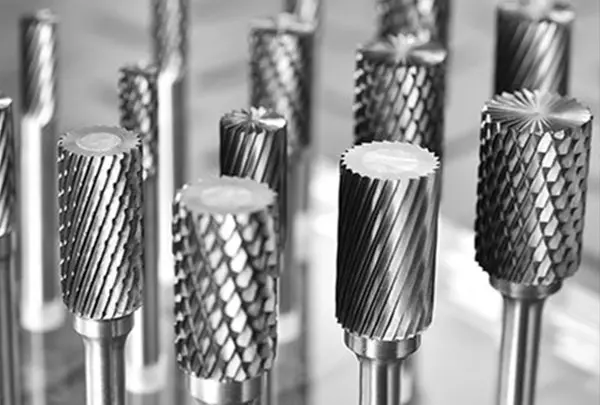
Carbide burrs, also known as rotary burrs or carbide rotary files, are cutting tools used for shaping, grinding, deburring, and material removal tasks. They come in various shapes, such as cylindrical, ball-shaped, conical, and more, each tailored for specific applications.
Factors to Consider:
1. Material Compatibility:
Different carbide burrs are designed for specific materials. Ensure the burr you choose is suitable for the material you're working on, whether it’s metals like steel, aluminum, or non-metal materials like wood or plastics.
2. Burr Shape and Type:
Consider the shape and type of burr needed for your task. For instance, a cylindrical burr is excellent for deburring and shaping, while a ball-shaped burr is ideal for contouring and blending.
3. Cutting Speed and Performance:
Higher cutting speeds are suitable for certain materials and applications. Understanding the RPM (Rotations Per Minute) range recommended for the burr helps maintain optimal performance and longevity.
4. Size and Shank Type:
Ensure the burr size matches your project requirements. Also, check the shank type compatibility with your rotary tool (whether it’s 1/4 inch, 1/8 inch, etc.).
5. Coating and Material Composition:
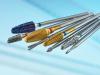
Coatings like titanium nitride (TiN) or aluminum titanium nitride (AlTiN) can enhance durability and heat resistance. Additionally, the carbide composition affects the burr's hardness and lifespan.
6. Budget and Longevity:
Consider the balance between cost and durability. While higher-quality burrs might have a higher upfront cost, they often last longer and provide better performance, proving cost-effective in the long run.
7. Application Specifics:
Factor in the specific task requirements. For precision work, a finer-grit burr might be necessary, while heavy material removal might demand a more aggressive tooth pattern.
Tips for Selection:
- Research and Reviews: Explore reviews, forums, and manufacturer specifications to understand real-world performance and reliability.
- Trial and Testing: Consider purchasing a few different types initially to test their effectiveness for your specific tasks.
- Consult Experts: Seek advice from professionals or experienced individuals in your industry for tailored recommendations.
Conclusion:
Selecting the best carbide burr involves a blend of understanding your project requirements, material specifics, and the capabilities of different burr types. Prioritize quality, compatibility, and performance to ensure efficient and precise results.
At burrs4less.com, we offer a wide selection of high-quality carbide burrs suitable for diverse applications. Our range includes various shapes, sizes, and coatings to cater to your specific needs. Explore our catalog to find the perfect burr for your projects.
Remember, investing time and research into choosing the right carbide burr can significantly impact the quality and efficiency of your work. Happy crafting and shaping!